Friday, March 30, 2012

MS Town Hall Meetings: Spreading the Word


After watching the recorded WebTV MS Town Hall Meeting from Orange Park, FL on 03/27/2012, we received the following kind message:


Dr. Kantor,

I did want to take a second to give you some MAJOR kudos on the town hall meeting this past tuesday night. What an awesome talk, that I wish more people from NW Florida were involved in. It was very enlightening to hear questions from both newly diagnosed PTs as well as those who have been living with MS for years. If you're ever in the NW FL area giving a talk like this, please reach out to me and let me know as I'd love to attend. I'd also like to offer myself up for any technical assistance you may need while giving such talks in the area. I'm always willing to devote time and energy towards those pushing to find a cure and engaging the general public about MS education issues.

Once again, great job and I look forward to many more. On a side note, I believe you should ask that all new patients sent your way watch at least one town hall meeting to understand the basics about MS. The talk was VERY educational for sure!

---

... thank YOU for tuning in!

Here are the individual notes from the meeting:


- Dr. Daniel Kantor, MD
Medical Director
Neurologique

info@neurologique.org
www.neurologique.org

Monday, March 19, 2012

Another reason to quit smoking


The Associate Press reported on a new anti-soking campaign by the CDC -- but there was an unfortunate medical error. Please see below:


Dear Mr. Stobbe and Mr. Felberbaum,

I read with great interest your story: CDC launching graphic anti-smoking ad campaign and I thankyou for covering this important issue, however in the caption to the image, it incorrectly states that: "This image provided on Wednesday, March 14, 2012 by the Centers for Disease Control shows Shawn Wright who had a tracheotomy ...." The image is of a man with a stoma after a laryngectomy and NOT a tracheostomy. While this may not sound like a significant difference to you, it is crucial to the goal of the CDC campaign, which is to be shocking and to educate the Public. A better description would be that this man had a total laryngectomy which is not only something shocking to look at, but also a major complication of chronic tobacco use. A one sentence description that said the man's voice box had been removed would have been sufficient in combination w the sentence at the end that said he speaks and breathes through his neck. [A tracheostomy is simply a tube that allows a direct airway through the neck/trachea as opposed to breathing through the mouth. It is also known a laryngotomy -- while a stoma involves a laryngectomy, which is removal of the larynx and not simply an opening].

I believe that it behooves you to make a clarification/correction to this issue and a follow-up story would be very useful to increase awareness and it would allow you to educate the Public and serve a greater good. I would be happy to work with you on this.


Thank you,

Daniel Kantor, MD
Medical Director
Neurologique

President
Florida Society of Neurology


The AP was very responsible and issued this statement:

ATLANTA (AP) _ In a story March 16 about an anti-smoking advertising campaign, The Associated Press, relying on information from the Centers for Disease Control and Prevention, erroneously reported what kind of medical procedure Washington state resident Shawn Wright underwent. The CDC said Monday that the hole in Wright's throat resulted from a laryngectomy _ the removal of his voice box _ not a tracheotomy.

Saturday, March 17, 2012

Comments on FDA's draft guidelines for biosimiliars


This is the second article in the series on Dr. Kantor's comments on biosimilars and regulatory agencies (the first article concerned the European perspective).

Rituparna Chatterjee of the Economic Times published an article titled Biosimilar products development gets a USFDA norms boost but due to editorial constraints, Dr. Kantor's comments were not included. Below you will find the reporter's questions (green) and Dr. Kantor's responses:

"The FDA has a very low threshold that is going to make it very easy to compete in the market."


1. Why do you think this is so?
2. Do giants like Genetech and Biogen stand to gain the most or smaller companies?
3. What does this mean for companies in the space in countries like India/China, etc.?

1. Although the EMA guidelines have been out for a little longer, the FDA was being tight lipped on what their draft guidelines would be. These guidelines set a low clinical bar to demonstrating bio similarity to a reference compound. The question has always been whether a biosimilar would need to do lengthy and expensive clinical testing or whether in vitro (test tube) and preclinical (animal) studies would suffice. The draft guidelines allow for much (but not all) of the testing to be done without the need for large clinical trials. There is an issue, however, of interchangeability vs. biosimilarity -- but it is not entirely clear whether this will be meaningful to payors (and this ultimately drives profits, sales and stick prices). Additionally, biosimilars are allowed to use different formulations from the reference products, thus allowing for more flexibility. These guidelines allow for a case by case analysis and this may give an advantage to certain manufacturers and there is not necessarily a great need to demonstrate clinical biosimilarity in all indications.

2. Giants, like Roche (Genentech has been subsumed by Roche) have built their portfolio in biosimilars, and increased competition may hurt their sales. Analysts have been expecting these draft guidelines for some time, and because of this the stick prices have already adjusted for the lack of perpetual growth. Many of Roche's products continue to have market exclusivity so sales are not expected to be affected for some time (also it will take time for the biosimilars to conduct their studies). There is also the issue of some market exclusivity for the first biosimilar that comes to market, and some companies may be better than others at getting this going.

Other companies, such as Biogen Idec may benefit and be threatened by these new draft guidelines, because it will allow them to both produce their own biosimilars of others' reference products, but also have biosimilar companies produce their branded products, such as Avonex, Tysabri and Rituximab (in collaboration with Roche). Biogen already has the capacity to produce beta interferons for multiple sclerosis (MS), and they could theoretically produce biosimilars of Bayer's Betaseron (and Novartis's Extavia) and EMD Serono's Rebif. The first biosimilars in MS will likely be versions of Teva's Copaxone (glatiranet acetate), though biosimilar Avonex already exists in Iran. Biogen is in a good position because of its rich MS pipeline, and by the time a biosimilar to Avonex hits the market, many patents will already be on Oral BG00012 or injectable Daclizumab and Pegylates Interferon Beta.

Large generic companies, such as Teva and Novartis will benefit from producing multiple biosimilars (such as Lovenox).

A smaller company, with only one product (H.P. ACTHar Gel), Questcor will largely be immune from biosimilars since Te mechanism of action of this product produced from pig pituitary glands is still incompletely understood (and the draft guidelines make it difficult to produce biosimilars in such a case).

3. Indian and Chinese companies have a lot to gain from these draft guidelines, and eventually they will dominate the market, just as they do to some extent in terms of oral generics -- however, the infamous Chinese heparin scare, may make many uneasy and the FDA granted itself a lot of discretion in the approval process of individual biosimilars.


- Dr. Daniel Kantor, MD
Medical Director
Neurologique

info@neurologique.org
www.neurologique.org

Comments on EMA's guidelines for biosimiliar beta interferons


This is the first of two part series regarding biomilars and how they may affect MS (and other diagnoses) in both Europe and the Unites States.

After the EMA issued its draft guidance on biosmilars to beta interferons Dr. Kantor was interviewed by Jennifer C. Smith-Parker of BioPharm Insight -- Biogen, Merck, Bayer's MS drugs safe from EU biosimilars competition for several years due to tough requirements - experts, which was picked up by the Financial Times -
Pharma majors’ multiple sclerosis drugs safe from EU competition for several years

In the report below, you will find Dr. Kantor's full responses (blue) to questions (green) raised by an analyst report (black):

Highlights:
· The requirements accept a single, one year trial with MRI primary endpoint in RRMS patients as basis for approval. Further, the results can be extrapolated to related conditions such as clinically isolated syndrome. This is a 'discount' vs. the new agent approval requirements (two trials whose length is two years with clinical efficacy as endpoints). However, the requirements are far from trivial.
I agree. The EMA could have required a non inferiority study with a clinical outcome, but instead they agreed to settle on an equivalency study with a radiologic outcome. The most accepted clinical outcome in MS trials is annualized relapse rate reduction, and you need two large Phase 3 trials that last for 2 years, but MRI studies can be shorter (this is more similar to phase 2 trials used in MS research).

- MRI results are clearly correlated with clinical efficacy, but are far from being a classical 'tight' bio-molecular marker (such as those that exist for already approved Insulin, hGH, EPO or Neupo). Thus there could be significant individual patient variability. EMA's suggested end point is "combined unique active lesions (CUA, defined as new gadolinium-enhancing T1-weighted lesions and new/enlarging T2-weighted lesions without double 170 counting)". However, it notes a baseline may need to be established and potentially a control group may be needed to calibrate the study. We expect that designing these trials will be difficult and they will need to be fairly large to deal with patient variability.
Recent trials, such as Teva's BRAVO study of oral Laquinimod for RRMS have highlighted potential barriers in matching for baseline MRI characteristics. Differences in the baseline characteristics may lead to unexpected disappointing outcomes. Theoretically an equivalence study could be negative, not just because the biosimilar may look worse than the original reference interferon, but also if it looks better than the reference interferon. If the EMA had allowed a non-inferiority study design, a biosimilar could unlikely but theoretically claim that it was superior to the reference interferon.

- Significant pharmacodynamic data and markers of immunogenicity (neutralizing antibodies) collection are required. Each difference between reference product and the biosimilar would need to be justified. The causes and effects of these differences are not always very clear. Again, this is a risk for approval.
- We note that the only company to develop a beta interferon biosimilar so far was Biopartners (Biferonex IF-beta), which failed to gain approval.
My questions: How large, specifically. do you think a control group should be? What beside the patient numbers makes the trial designs difficult and why?
The trial would not have to be as large as the > 1,000 subject phase 3 trials that we have become accustomed to because we are only looking at MRI changes and not primarily clinical factors, but the issue with both equivalency and non-inferiority studies is that there is a temptation to make these trials small because this would make it difficult to find a difference between the two groups, as opposed to a superiority trial, where you want the trial to be as large as you can afford (financially and time-wise) so that you are more likely to show a difference in the two groups. The EMA has tried to solve this problem a little by requiring both the reference interferon and the proposed biosimilar to be compared to placebo, and only if they both look better than placebo can the be compared to each other properly. While the proposed 4 months of placebo exposure is short, it does make it harder to convince patients and investigators to get involved. The EMA partially solves this by allowing the thirs comparison arm to be a lower lesser effective dose of the biosimilar rather than placebo, but it would be more difficult to show that the reference interferon and proposed biosimilar are superior to a lower (and potentially still effective) dose of the biosimilar.

The intricacies and subtleties inherent in an equivalency study make it more difficult to design well, and there isn't an established way of doing such a study in the MS world -- any sponsor considering this would be forging a relatively new scientific and statistical path.


· The commercialization of biosimilar beta interferon will be challenging. Our view is that while hospital products will be relatively easy to commercialize assuming the scientific data is strong, retail-type products will be tougher to commercialize for two reasons (i) Complex (dis)incentive structures in the channel and (ii) need to build a sales force and convince a broad group of physicians. In the MS there is particularly difficult challenge as physicians are risk averse as there is a material question of determining disease progression (i.e. it is tough for a physician to tell if a drug is working in his own patients).
My questions: Can you please explain disincentive structures? I don’t quite get that. Why is there a need to build a sales force for a biosimilar product here? Not sure I quite understand that. Also not sure why particularly challenging in the MS space; what does being risk adverse in this case and determining disease progression have to do w/ biosimilar product acceptance?
I think that the operative word is "complex;" it sounds like they are referring to the heavy involvement of Pharma in the MS world and the clear dissatisfaction that current interferon manufacturers would express to prescribers (in a number of subtle, and potentially, not so subtle ways). A biosimilar product is not the same product -- Nike and Reebok shoes are similar products, but they still need their own competing sales forces. Physicians have also been used to the brands of the reference interferons for almost two decades, and any new (biosimilar) interferons on the market may not be well recognized or understood by many prescribers. Unless the prescriber was forced by the insurance carrier to choose the biosimilar over the reference interferon, it is unclear why a prscriber would want to take the chance that the two are not really exactly the same.

In many other disease states, the patient and the doctor know whether a treatment is working for them. In MS disease modification, we are using the medications as insurance for the future -- taking the medication is supposed to prevent future relapses, not fix problems already present. This is one of the greatest difficulties in maintaining patient adherence to therapy -- if you don't know that you are feeling better from a treatment, you may not simply continue it because it may protect you in the future. When physicians treat hypertension, we know in real-time whether the blood pressure is lower and better controlled than it was before initiating treatment. When physicians treat MS, we can only opine retroactively whether the treatment was beneficial or not. Additionally, because of the highly individualized and variable course of MS, a patient may do well because they were "destined" to do well with or without a particular treatment, and converesely, some patients will worsen no matter which treatment (or no treatment) is chosen. This is why NeuroFunctional Enhancers (NFEs) are so empowering to our patients -- these are treatments that enhance the neurologic functioning of our patients in real-time, and patient either respond to them or they don't, but that response is noticed within the first 2 months of treatment (examples include Acorda's Ampyra and Avanir's Nuedexta).


· We think several products will be commercialized, but not as many as in the antibody field for three reasons: (i) These products are generally commercially smaller than most antibody products targeted in the first wave of biosimilars (and will get smaller as the new generation of MS products gain dominance); (ii) Beta interferon's require largely dedicated manufacturing equipment, having limited overlap with antibody manufacturing; (iii) As discussed above, trial risk is relatively high and will require relatively larger investment in marketing and sales. Interestingly, some of the biosimilar leaders (Novartis, Teva) have mixed incentive structures; they have innovative products in the market and do not necessarily want to see price attrition in the beta interferon category (although this may change for Teva).
My questions: What products in the MS field do you think will be commercialized? Have heard Rituxan from one doc already. Why do beta interferons require dedicated manufacturing equipment?
Rituxan will definitely NOT be commercialized -- Roche is moving forward in two phase 3 trials for RRMS (OPERA 1 and OPERA 2) on the fully humanized version, Ocrelizumab). New treatments closer to commercialization are BG12, Lemtrada and Teriflunomide. Manufacturing beta interferon is labor intensive because there are many steps:

1)
Obtaining an interferon beta gene by extracting the gene coding for interferon beta from human fibroblast cells.
2) Modifying the gene
3) Making a recombinant DNA molecule

4) Adding the recombinant DNA molecule to a bacterium
5) Producing interferon beta-1b by bacterial fermentation
6) Extracting interferon beta-1b from the ferment
7) Adding inactive ingredients


The machines to do all this are different than those used to make other biologics.

· The cross-read to Copaxone. We understand Copaxone was initially included in the scope of the beta interferon guidance and eventually excluded. Synthon's clinical trial of Copaxone and commentary from market participants suggest to us EMA requirements for Copaxone are similar to beta interferon, but the approval would be as a generic, not a biosimilar. We also understand some companies are challenging this guidance.
My question: Can you shed some light on why some companies are challenging this guidance? What significance, if any, is there for you that EMA is not considering Copaxone as a biosim but as a generic?

Synthon's protocol for their trial of GTR is more stringent EMA's draft guideline on similar biological medicinal products containing interferon beta because GTR is being compared to Copaxone for 24 months (instead of 12) and the placebo arm lasts 9 months (instead of 4).

Current manufacturers of Beta interferons will challenge the EMA's draft guidelines because it opens a route for biosimilars, and thus threatens their market, just as Teva opposes a route for
biosimilar Glatiramer Acetate. The definition of a generic vs. a biosimilar will be meaningful to prescribers and patients, as genetics are often prejudiced as being not as good as the original branded products. On the other hand, the term "generic" is one that the Public is well aware of, and is sometimes equated with "the same but cheaper."


The second report in this series regarding biosimilars may be found here.


- Dr. Daniel Kantor, MD
Medical Director
Neurologique

info@neurologique.org
www.neurologique.org

Letter of Appreciation: Gilenya clinical trial

We received this amazing note and we were given permission to share it for your benefit:

--
Hi Dr. Kantor,

I have been meaning to write you for a while and let you know what I am up to now.

I got into the Gilenya Guide Network and travel as a patient guide on behalf of Novartis and talk to people about my experience.

Basically, my "story" recounts how I had reached the end of my rope with other MS therapies and came to you as a new patient and got into the TRANSFORMS trial at your urging, and ends with what it has meant to me. The more I deliver this talk, it has become very clear to me just how HUGE a role you have played in the course of my MS, and thus my life.

If it hadn't been for you traveling around giving your MS Town Hall meetings, encouraging MSers with your self-advocacy message, and presenting us with all of the hope that research held for the future of MS, I may well have given up. I look back on that time as a period in my life that was lacking hope and full of despair.

So, from the bottom of my heart, I'd like to thank you for all that you have done and continue to do. Not just for me, but for all MS patients. Without your encouragement and dedication to education and research, I'm not sure where I would be today. I just know I owe the fact that I have not relapsed since April 07 to you.

Also, I am interested in becoming more of an MS activist. Novartis trained the patient speakers and since I attended that training and found my "voice" I no longer have such a terrible fear of public speaking and feel that I could go to Tallahassee or Washington even, and testify as an MS patient in whatever capacity is needed to either bring about changes in the law or increase funding for research. If you have any need for my assistance, please let me know. I'd even do webinars. Anything to raise awareness and/or effect change.

--

Thank you -- you make it all worth it!


- Dr. Daniel Kantor, MD
Medical Director
Neurologique


info@neurologique.org
www.neurologique.org

Monday, March 12, 2012

MSF Teleconference with Dr. Kantor on MS Treatment


MSF (MS Foundation) Teleconference/Webconference:


MS Treatments and Symptom Management
Daniel Kantor, M.D., Neurologist

Tuesday, March 13th, 2012
9:30 p.m. – 10:30 p.m. Eastern / 6:30 p.m. – 7:30 p.m. Pacific


To join, follow the instructions below:
1. Join the conference call:
Dial: 866-299-7945
Access Code: 9500667

2. To view the slide presentation during the audio conference, join the online session
http://www.sipbound.net/join?id=11932757&password=

Meeting ID: 1193-2757
Meeting Password: No password needed

Letter of Appreciation ... Doing Amazingly Well


With all the media concerns regarding Gilenya (Fingolimod), it is nice to see a success story (individual results vary):


AMAZING NOTE FROM FORMER RESEARCH "SUBJECT" (i.e. PERSON with MS)

Hi Dr. Kantor,

I have been meaning to write you for a while and let you know what I am up to now.

I got into the Gilenya Guide Network and travel as a patient guide on behalf of Novartis and talk to people about my experience.

Basically, my "story" recounts how I had reached the end of my rope with other MS therapies and came to you as a new patient and got into the TRANSFORMS trial at your urging, and ends with what it has meant to me. The more I deliver this talk, it has become very clear to me just how HUGE a role you have played in the course of my MS, and thus my life.

If it hadn't been for you traveling around giving your MS Town Hall meetings, encouraging MSers with your self-advocacy message, and presenting us with all of the hope that research held for the future of MS, I may well have given up. I look back on that time as a period in my life that was lacking hope and full of despair.

So, from the bottom of my heart, I'd like to thank you for all that you have done and continue to do. Not just for me, but for all MS patients. Without your encouragement and dedication to education and research, I'm not sure where I would be today. I just know I owe the fact that I have not relapsed since April 07 to you.

I don't know if you have considered it or not, but I think you'd be an awesome presenter for the Gilenya Guide Network. These meetings always have a neurologist who presents an FDA approved slideshow about Gilenya and then answers audience questions afterward. Your energetic and charismatic speaking style would really impact the audience, I'm sure.

Also, I am interested in becoming more of an MS activist. Novartis trained the patient speakers and since I attended that training and found my "voice" I no longer have such a terrible fear of public speaking and feel that I could go to Tallahassee or Washington even, and testify as an MS patient in whatever capacity is needed to either bring about changes in the law or increase funding for research. If you have any need for my assistance, please let me know. I'd even do webinars. Anything to raise awareness and/or effect change.


... Thank you for your update

- Dr. Daniel Kantor, MD
Medical Director
Neurologique

info@neurologique.org
www.neurologique.org

Thursday, March 8, 2012

*** FSN Press Release: Florida legislature protects youth athletes ***

FSN LOGO

Media Advisory
For Immediate Release

Contact:

 Daniel 
Kantor, 
MD

March 8, 2012


Florida Society of Neurology (FSN) Applauds FL Legislature On Passing Concussion Bills


Gainesville, 
FL
 (March 8, 2012) 
–
 The Florida Society of Neurology (FSN) congratulates Representative "Doc" Renuart and Senator Flores on leading the charge to protect Florida's youth athletes through the passage of CS/HB 291.

Sports related concussion is a form of traumatic brain injury that can occur during any activity and to anybody. There has been recent media attention on professional athletes, and the Florida legislature has made a bipartisan unanimous decision to afford Florida's youth protection from potential brain injury.

According to Daniel Kantor, MD, President of the Florida Society of Neurology and a Director of the Seeing Stars Foundation, "the FSN is committed to continuing to work with the Florida High School Athletic Associate sports medicine advisory committee on ensuring the protection of brain health by establishing a subcommittee on sports-related concussion to oversee policies and educational efforts."

The FSN recently elected Frank Conidi, MD, DO, Executive Director and Founder of the Seeing Stars Foundation, to the FSN Board of Directors and appointed him to serve as the Advocacy/Legislation Committee Chairman. The mission of the Seeing Stars Foundation is to support research and education on sports related concussion and sports related neurological injuries.

According to Dr. Conidi, "neurologists are taking the lead in educating the public and other physicians on the importance of taking players out of the game when a concussion is suspected and of having an MD/DO with training in concussion diagnosis, evaluation and management only allow those players to return to play when deemed medically appropriate." The FSN and the Seeing Stars Foundation are offering educational opportunities for healthcare providers to receive additional training in sports-related concussions.

CS/HB 291 will now be sent to Governor Rick Scott for his signature, and mandates:

1. Education of athletic coaches, officials, administrators, and youth athletes and their parents or guardians on the nature and risk of concussions.
2. A low threshold for taking players out of the game when a concussion is suspected.
3. Return to play only after medical clearance,
4. Establishment of a sports medicine advisory committee within the Florida High School Athletics Association.

Last year the FHSAA set up a sports medicine advisory committee, which resulted in the FHSAA adopting policies and procedures mirroring the new legislation and mandated that only MDs/DOs can return a youth athlete to play after a concussion. The expanded sports medicine advisory committee will likely reconfirm these policies and procedures. In 2011, a neurologist, Hal Pineless, DO, President of the Florida Osteopathic Medical Association was appointed to the FHSAA sports medicine advisory committee. The FSN will continue to work with


For more information please contact:
Daniel Kantor, MD
fsneuro@gmail.com


###


Tuesday, January 24, 2012

Gilenya scare and a reasoned approach

By now most of you know that a woman with MS in the United States passed away within 24 hours of her first dose of Gilenya. This, along with 10 other reported deaths (not within 48 hours of the first dose), prompted the European Medicines Agency (EMA) to issue a press release concerning their review of Fingolimod (Gilenya) safety.


This has been picked up by mainstream media (not just on the Internet, but also in local newspapers) and people are bringing newspaper clippings to their neurologists. It is for this reason that we felt that it was necessary to speak directly to the MS community about what we do and don't know at this time. In the video below, I interview a patient (on Gilenya for a week) who came in with the newspaper clipping that was sent to her by her concerned friend. After I addressed her concerns, we discussed our making a video to help others understand what we do and don't know. Of the other 10 deaths, 3 were heart attacks and 1 was a cardiac dysrhythmia -- so this is 4 heart related deaths out of ~30,000 people treated with Gilenya worldwide (as opposed to what the news media implies, some of these deaths were in the U.S., as well).

So, bottom line, what do you do now?

Talk to your neurologist because there may be no cause for concern and the FDA and the EMA are looking into this to see if there are new risks associated with Gilenya.


- Dr. Daniel Kantor, MD
Medical Director
Neurologique

info@neurologique.org
www.neurologique.org

Saturday, January 21, 2012

MS Town Hall Meeting in Valdosta, GA on 01/21/2012

In this MS Town Hall Meeting, interactive topics include:

1. Disease modification -- newest research, currently approved medications and complementary and alternative medications (CAM). Emerging therapies:BG12, Lemtrada, Teriflunomide, Ocrelizumab, Daclizumab, Pegylated Interferon Beta-1a....

Factors include: Efficacy vs. Safety vs. Tolerability vs. Convenience (Route of administration vs. frequency).

2. Symptom control -- how to talk to your doctors and prioritize your issues. The use of NeuroFunctional Enhancers (NFEs). This does NOT necessarily mean medications.

3. Rescue treatments -- IV Solumedrol (Methylprednisolone), IM/SC ACTH, IVIG/IGIV, plasmapheresis). Only 2 FDA approved treatments (SOLUMEDROL and H.P. ACTHAR GEL).

Also, side effects of medications and how to deal with them. What to do when your insurance denies your needed medication.


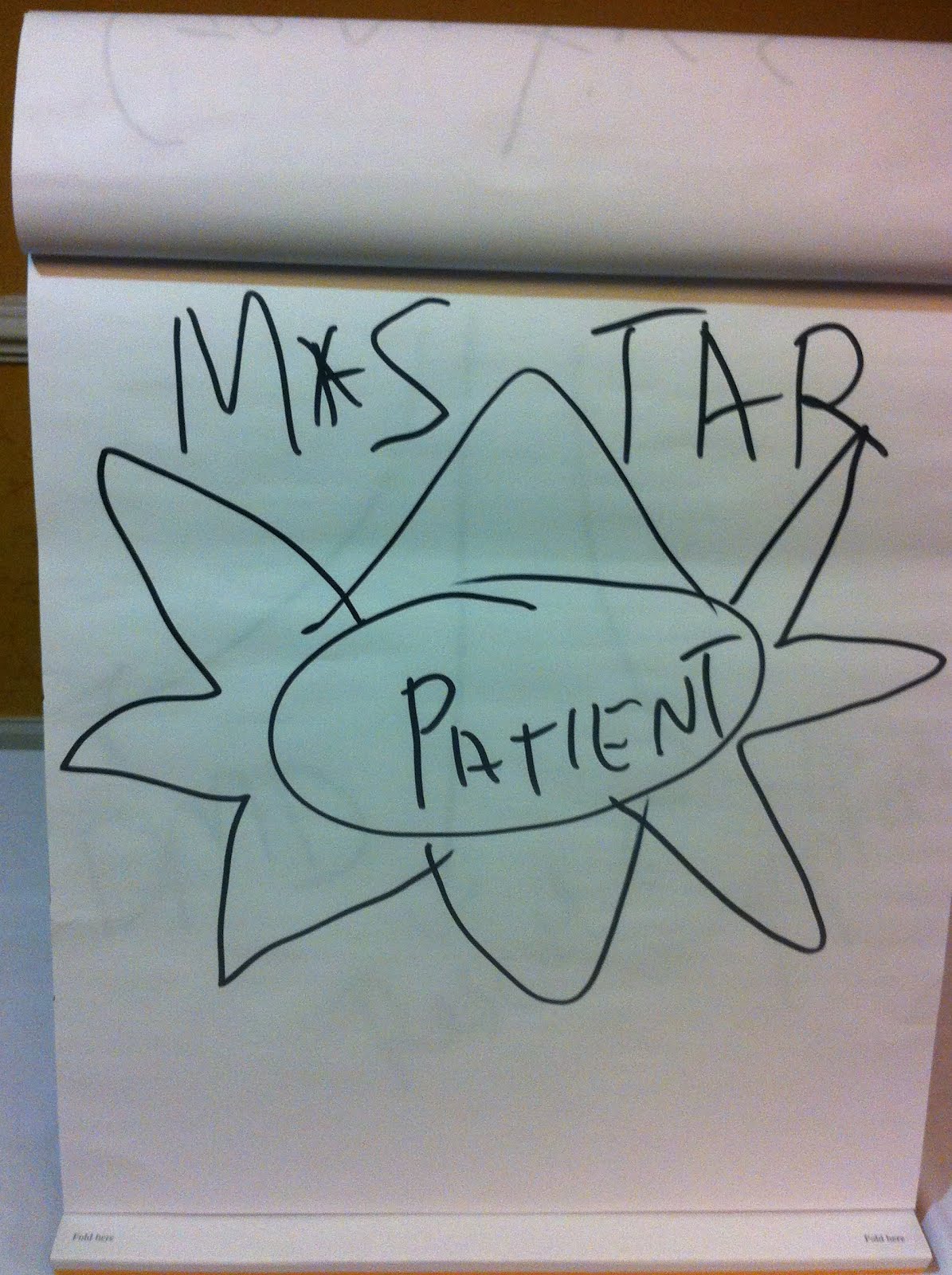
Here are the flip chart notes:


- Dr. Daniel Kantor, MD
Medical Director
Neurologique

info@neurologique.org
www.neurologique.org

Monday, November 14, 2011

Late 2012 is going to be great for MS

Wow wow wow

It's an exciting time for MS drug development and an even more exciting time for our patients and future MS patients. In the past year, oral BG00012 was catapulted from a niche place in the MS treatment landscape to a highly prominent international position. DEFINE data presented at ECTRIMS 2011 highlighted BG00012 as a safe, effective and mostly tolerable oral medication for the reduction of MS relapses and disability. The enthusiasm generated at ECTRIMS was still spreading at the point when top line results from the second Phase III trial (CONFIRM) were released. In CONFIRM, BG00012 was not only compared to placebo, but there was also an additional arm of subjects treated with Glatiramer Acetate. BG00012's superiority over placebo in DEFINE was confirmed by CONFIRM, and while CONFIRM was not designed to compare BG00012 head-to-head to Glatiramer Acetate, it is difficult not to make the natural conclusion that BG00012 probably performed better than Glatiramer Acetate as well. While performing better than Glatiramer Acetate is a significant accomplishment, especially in light of the disappointing performance of the high-dose high-frequency interferons compared to Glatiramer Acetate in the BEYOND and REGARD studies. In CONFIRM, however, BG00012 did not have a significant effect on sustained disability as compared to placebo; this raises the question, not of whether BG00012 will be FDA approved for the treatment of MS, but rather whether it will be approved for delaying MS disability in addition to reduction of relapses. Further exploration of prespecified subgroups and post hoc analyses will be quite useful.


Race of the orals

While large amounts of new data on Terflunomide were not released, it remains in the running as an oral, mostly safe MS medication. The safety will be further characterized by release of more data from the expansive list of Sanofi sponsored trials for this medication.


Head-to-head

Alemtuzumab is the most exciting medication in the MS pipeline for the foreseeable future.The combination of a quantum leap in efficacy (50% better than Rebif) and the infrequent dosing schedule (only 5 days in a row in the first year and not again until the second year when it is given for 3 days, and then some perhaps it will not need to be re-dosed in most people), makes Lemtrada an attractive option for many physicians and patients. In the CARE--MS-1 study Alemtuzumab was found to be significantly better (55%) than Rebif in reducing relapses, but the results for disability were not significant -- probably because the Rebif treated subjects did better than in prior studies of Rebif. The results of CARE-MS-2 confirm this assumption as Alemtuzumab was superior in terms of reducing relapses (49%) as well as sustained disability (42%) as compared to Rebif (not to be mistaken for trials comparing medications to placebo). We look forward to Genzyme, a Sanofi company, releasing more information on the annualized relapse rates in the two groups and we suspect that further investigation of patient subgroups will help clinicians understand in which patients there will be ~50% reduction as compared to Rebif as opposed to ~70% reduction compared to Rebif (as suggested in prior Phase II trials).


The decision tree for newly diagnosed patients may evolve to a question of how risk averse the individual patient is. For those wanting a medication with a very long safety record (at least in psoriasis), BG00012 may be first line, while in others who want the medication with the strongest efficacy, but with some potential for the development of humoral autoimmune diseases, Alemtuzumab may be the right choice.


Beyond T cells

Ocrelizumab is a humanized version of Rituximab, a monoclonal antibody directed against B cells -- a fairly new treatment paradigm for MS. Ocrelizumab will be dosed 4 times a year with the goal of reducing relapses as well as disability. Roche is studying Ocrelizumab for relapsing MS in the mirror OPERA 1 and 2 studies, while also studying Ocrelizumab in primary progressive MS.


Daniel Kantor, MD
Medical Director
Neurologique

President
Florida Society of Neurology
----------------------------------------------------------------

Be a leader, help the network ... join neurologique@gmail.com

Multiple Sclerosis Team Approach Rule *** MS Patient Network


www.neurologique.org

Twitter, facebook, blogs and more.


Monday, October 31, 2011

Botox ... truth in advertising


A local news story in Jacksonville had good intentions, but it missed the point with its editing -- it made it sound like Botox was experimental for chronic migraine!

For those of you following our tweets, we first reported on the FDA approval of Botox for chronic migraine (15 or more headache days a month) a year ago.

So, let's set the record straight -- Botox is FDA approved for many things -- my comments on experimental treatments were after the reporter asked about future uses -- and I mentioned that it was being tested for baldness (alopecia areata). I didn't want everyone running to their doctors demanding Botox for something still in experimental phases -- but I made it clear that Botox is FDA approved for chronic migraines ... and more.

In fact, at the recent ECTRIMS (European Committee for the Treatment and Research in MS), I reported in real-time with Ashley from MS World about the various (FDA approved) uses for Botox relevant to MS: cervical dystonia, blepharospasm, chronic migraine, urinary bladder and more):


Among treatments for spasticity (Tai Chi, Yoga, Baclofen, Arbaclofen Intrathecal Baclfen pump, Botox):


So what can we learn from all this?

Be wary of the news that you here -- go straight to the source ... Neurologique, your source for neurological news that matters.

- Dr. Daniel Kantor, MD
Medical Director
Neurologique

info@neurologique.org
www.neurologique.org

Saturday, October 22, 2011

Wow ... when enthusiasm is appropriate

Wow!


Enthusiasm is important, even (or especially) at international scientific meetings.

If you are following our (MSWorld and Neurologique) real-time videos from ECTRIMS (European Committee for the Treatment and Research in Multiple Sclerosis) -- the biggest MS meeting of the year. On 10/21/2011, Prof. Ralf Gold presented data from the phase 3 DEFINE study (Determination of the Efficacy and safety of oral Fumarate IN rElapsing-remitting MS) and it was exciting.

While we still need to wait for the CONFIRM study (it compares placebo, two doses of oral BG-12 and subcutaneous Glatiramer Acetate/Copaxone) to ensure that oral BG-12 (dimethyl fumarate) is as exciting as it looks in DEFINE: safe, effective for MS relapses and disability, effective for MRI and mostly well tolerated.

At the end of the presentation by Prof. Ralf Gold, I said "I think that I speak for most people when I say wow." I then asked about pregnancies (no malformations) and 3 vs 6 month disability progression.


This has gotten me known as the "Wow Doctor" -- it has even been covered in the media by Medpage.

One day, I hope that I can say "wow" about many other new therapies.


- Dr. Daniel Kantor, MD
Medical Director
Neurologique

info@neurologique.org
www.neurologique.org

Monday, September 12, 2011

Lack of focus and MS - Facebook Question and Answer

Here is another great question (and, hopefully, answer) from Neurologique's open Facebook page.


Question:

Why do some MS people feel so unfocused in the head and what can be done to help this feeling?

Answer:

There are many potential reasons for this:

1. Related to medication side effects.
2. From the MS itself -- fatigue.
3. From the MS itself -- cognitive problems.
4. Something also called "MS brain fog"
5. Depression.
6. Not from MS, but something else.


In terms of how to approach treatment, it is going to depend on the cause. Non-pharmacologically we use meditation (especially mindful meditation), breathing exercises, visual imagery, acupuncture, yoga, tai chi, cooling, etc.

Pharmacologically, we maximize the MS disease modifying drugs and we choose appropriate symptomatic treatments, like medicines for fatigue (Amantidine, Provigil, Nuvigil, B12, Caffeine, Stimulants etc.). At Neurologique we are also looking at an Ayurvedic herb called Ashwagandha for MS -elated fatigue.

Interestingly, there are two medications that I call "NeuroFunctional Enhancers" because they enhance function in people with neurological diagnoses. Thus far the class is made up of:

1) Ampyra (dalfampridine) -- FDA approved for gait dysfunction in MS, but because it helps the nerves work better, it can help in lots of ways.

2) Nuedexta (dextromethorphan + quinidine) -- FDA approved for pseudobulbar affect (regardless of cause), which is, basically, problems with coordinating your emotions and how you display them to others (affect). It has an effect on blocking the effects of glutamate in the brain, and is an NMDA antagonist and Sigma-1 Agonist (scientific mumble jumble)

I hope that this was useful.
.

Friday, September 9, 2011

MS with a negative LP (lumbar puncture or spinal tap)

As many of you know, I answer questions for the MS Foundation (MSF) and here is one that we thought would be interesting and useful to you.

Question:

I have 3 spots on my brain the doctor has tested me for MS even had a spinal tap it came up negative. I would like to know if I do have MS but just has not showed up yet sometimes I lose my balance and don't have much strength in my hands.


Answer:

Thank you for the question.

It is true that people with MS may have negative lumbar puncture's (LPs or spinal taps) and someone needs to explain your white spots on the brain, and more importantly, your symptoms. I strongly recommend that you see an MS specialist and that you consider (if not done already):

- Close Cervical spinal cord MRI with and without Gadolinium
- Close Thoracic spinal cord MRI with and without Gadolinium
- Visual Evoked potential (VEP)
- Somatosensory Evoked Potential (SSEP) of the upper and lower extremities
- Brainstem Auditory Evoked Potential/Response (BAEP/R)
- Optical Coherence Tomography (OCT)
- Lab work-up
- Repeat LP in a few years -- ut we don't want to wait that long!

MSF can help you find a neurologist near you ... they always help!!

I know that this means that you will need to be patient.

Thank you,

Daniel Kantor, MD
Medical Director
Neurologique

President
Florida Society of Neurology

----------------------------------------------------------------

Be a leader, help the network ... join neurologique@gmail.com

Multiple Sclerosis Team Approach Rule *** MS Patient Network


info@neurologique.org

www.neurologique.org

Sunday, September 4, 2011

Q&A with Dr. Kantor: Numbness


As many of you may know, I answer questions on multiple sites, including Avvo. I thought that this question and answer would be useful to many of you out there.

Question:

I have been experiencing numbness in my fingertips and toes. What could be causing this?

I have not injured my fingers or toes recently. I have had some numbness in some of my fingertips for awhile, but it seems to be getting more prevalent.


Answer:


I can understand why this is a concerning symptom. There are several possibilities, but remember that online discussions do not replace real life interactions with doctors -- especially neurologists.

The possibilities include that:

1. This is simply a variant of the weird things that we all feel.
2. This is not neurologic.
3. This is caused by a peripheral nerve problem -- like diabetes (diabetic neuropathy).
4. This is caused by a vitamin (like Vitamin B12) deficiency
5. This is caused by a spinal cord problem.
6. This is caused by something going on in the brain.

As you can see, there are a lot of possibilities and your best bet would be to see your primary care physician and then a neurologist.

Please try not to be worried until this is looked into (it may not be worth worrying about).


- Dr. Daniel Kantor, MD
  Medical Director 
  Neurologique 

  info@neurologique.org 
  www.neurologique.org

Saturday, August 27, 2011

Exciting Advocacy News for FL: National Stage - Dr. Kantor appointed again to FMA Council on Lgislation


From FMA:

TO: Daniel Kantor, M.D.

FROM: Miguel Machado, M.D., President

RE: Reappointment to the FMA Council on LegislationTO:


I would appreciate your willingness to accept reappointment to serve on the FMA Council on
Legislation as the Medical District B representative during my term as President of the FMA,
effective July 31, 2011. Attached is a list of those who have been asked to serve with you.

There are two FMA Board of Governors & Council Days scheduled during the appointed year.
This meeting format is intended to facilitate interaction between the various councils/committees while minimizing travel expenses. While I cannot confirm the specific date and time each group is meeting, every effort is being made to accommodate a Friday or Saturday meeting time concluding with the Board of Governors meeting on Sunday. I respectfully ask that you keep the dates open for scheduling. FMA staff assigned to each council/committee will distribute meeting details approximately 6-8 weeks in advance. Please keep in mind that there may be instances when a particular group may find it necessary to meet by conference call, rather than in person. Those details will be provided by appropriate staff as well.

Exciting Advocacy News for FL: National Stage - Dr. Kantor placed on AMA Reference Committee on Legislation


From the AMA:


Dear Dr. Kantor


On behalf of the Speakers, it is my pleasure to invite you to serve the AMA House of Delegates at its Interim Meeting in New Orleans, Louisiana, November 12-15, 2011, as a member of Reference Committee B (Legislation).

As a member of a Reference Committee your responsibilities will include:

· Participation in the hearing on Sunday, November 13. (This open hearing will last as long as is necessary to receive comments on the business before you.)

· Participation in preparation of the report of the Reference Committee. (This includes an executive session of the full committee that immediately follows the conclusion of the open hearing as well as additional meetings, as needed, until the final report is complete. This often means being available throughout the night and the following morning.)

· Presence before the House during its consideration of the report of your Reference Committee.

In addition, virtual reference committees are planned for November as was done for Reference Committee E in June. Virtual (online) testimony will be accepted from approximately October 14 to October 30. Each reference committee will then have to meet by phone sometime the next week (October 31–November 4) so that a draft report can be prepared and posted on November 7 or 8, in time to allow the report to be reviewed by members of the House prior to the meeting. This process, although still in its trial phase, worked well in June, and in the end, resulted in a less harried experience for the reference committee members; we are hopeful for a similar experience at this meeting.

Your work on a Reference Committee is a service to American medicine and a very important contribution to the democratic process followed by the House of Delegates.

Outpouring of support for deceased neurologist, Jim Nealis, MD


In response to our earlier obituary for the passing of Jim Nealis, MD - Past President, Florida Society of Neurology (see original obituary), we received the following message:

Thank you. When I first arrived at Harvard in 1976, Jim was a fellow at the Seizure Unit (where I was assigned) with Dr. Cesare Lombroso. I did not know a soul there and Jim became a good friend, even inviting me out for St Patrick’s Day. He was a caring doctor and a fun guy to work with. I will never forget him. My condolences to his family.


Herminio Cuervo


Your FSN ... Helping Neurologists help their patients.


Daniel Kantor, MD
Medical Director
Neurologique

President
Florida Society of Neurology

www.neurologique.org

Sunday, August 21, 2011

FSN Distinguished Panel: Drs. Alternburger and Wilson and Senator Fasano


`

Medicine 2011: Issues Facing Neurologists and Their Patients:

Local, State and Federal perspectives


Distinguished Guests:

Senator Mike Fasano -- Florida District 11

Karl Altenburger, MD – Past President, Florida Medical Association (FMA)

Cecil Wilson, MD --Immediate Past President, American Medical Association (AMA)


Schedule: September 17th, 2011


12:00 – 12:15: Lunch preparation – FSN Business Meeting


12:15 – 12:20: Call to Order (Introduction of Board)

Daniel Kantor, MD


12:20 – 12:25: Introduction of distinguished panel

Daniel Kantor, MD


12:25 – 12:40: Pills Mills: How the Senate saved

FL Senator Mike Fasano


12:40 – 12:50: How the FMA works with specialists

Karl Altenburger, MD


12:50 – 1:10: Neurologists in the House of Medicine

Cecil Wilson, MD


1:10 – 1:20: Panel Discussion

Distinguished Guests


1:20 – 1:30 New Business and Concluding Remarks

Daniel Kantor, MD

FSN in Your Corner: Protecting you and your patients


Dear Fl Neurologist,

Your FSN has been working hard for you – on the local, State and Federal levels and we are excited by the results.


Innovative Annual Meeting:

As you know, the FSNAnnual Meeting is fast approaching on Sept. 16 – 18, 2011. We are excited by the addition of a cognition & TBI (traumatic brain injury) program in the 37th Annual Course in Neuropsychology and Behavioral Neurology. Our Advances in Neurology Workshop promise to be innovative with Controversies in Neurology and Challenging Cases posed to and by our Neurology Chairmen. Your staff and primary care referring colleagues are sure to be enlightened by the Neurology for the Non-Neurologist: Localizing Neurologic Symptoms. Your family will be dazzled by the Disney Yacht Club pool and the proximity to the Disney parks … in short, everyone is sure to have an enlightening, productive and fun time at the FSN Annual Meeting at the Disney Yacht Club on September 16 – 18, 2011. If you haven’t yet, then please be sure to register and reserve your block of rooms online.


Unprecedented Distinguished Panel:

I am most proud of the distinguished panel that I will be introducing on Saturday September 17th, 2011 at 12:00 – 1:20 PM. Cecil Wilson, MD – Immediate Past President of the AMA, Karl Altenburger, MD – Past President of the FMA (FL Medical Association) and Senator Mike Fasano will be addressing the topic of “Medicine 2011: Issues Facing Neurologists and Their Patients - Local, State and Federal perspectives.” The caliber of our panelists speaks volumes to the notoriety of your FSN and its place within the House of Medicine … with all the changes facing us, don’t be left in the dark!


Senator Mike Fasano

FL District 11

Karl Altenburger, MD

Past President, FL Medical Association (FMA)

Cecil Wilson, MD

Immediate Past President, AMA


Alert: West Nile Virus Outbreak:

There have been cases of Dengue Fever and neuroinvasive West Nile virus in different parts of the State. I have kept neurologists in Duval county abreast of the information disseminated by the FL Department of Health regarding the West Nile Virus cases. It is a privilege to represent you in discussions with the varied Public Health departments protecting the citizens of our great State. The FSN was the only State Specialty Society represented in these teleconferences and we are leading the way in both physician and Public education regarding this potentially dangerous outbreak … wherever there is an issue touching upon the nervous system, your FSN will be there representing YOU and your patients.


Value-added Membership benefits:

Your FSN recognizes that the economic downturn has affected each and everyone one of us, and we have developed a member benefits package to suit your needs:

1. Universal Waste Management (biomedical waste) -- 10% discount and lower price than competitors for FSN members Tel. (352)234-4BIO (4246)

2. TNP (The Neurologists’ Program) -- malpractice insurance and risk management

3. Long-term Care Insurance Program (Affinity)-- see below.

4. I.C. Systems Collection Agency

5. Medscape CMEs

6. The Southern Headache Society --we may do joint CME programs with discounts to FSN members (join the google group)

7. Discounts on medical books through Cambridge Publishing and Oxford Publishing (email fsneuro@gmail.com for your Promotional Code)

8. FSN lapel pins … get yours today!

9. Future pan-FL dinners

10. Regional pan-FL dinners -- stay updated and give your input.


Advocacy Victories … Finally Some Good News!

Your FSN advocated diligently for you and your patients. We have made strategic partnerships with the FMA (we have two neurologists on the FMA Board of Governor’s and I sit on the FMA Council on Legislation and the FMA PAC [Political Action Committee]), the AMA (I was recently elected to the FMA delegation to the AMA), the AAN (through various leadership, including Advocacy) and other organizations, such as the FL Academy of Physician Assistants (I sat alongside the FMA and FOMA [FL Osteopathic Medical Association] Presidents). Additionally, we have ties to the FL Agency for Persons with Disabilities (APD) and I recently ha a productive meeting with the Medical Director of First Coast Service Options (the FL Medicare contractor) – I will present this information at the FSN Annual Meeting.

1, Pill Mills – Board-certified neurologist are not limited by this legislation and you are free to practice without registering with the State.

2. Gun bill – It is not a felony to talk to your patients about safety (even gun safety) … just document the reason.

3. Sports concussions – the FL High School Athletics Association recognizes (without the need for government intervention or legislation) that only MDs/Dos are qualified to return an athlete to play … Your FSN is leading the way in education and protecting our youth.

4. EMG/NCS – We are setting up a joint panel of 3 neurologists and 3 physiatrists with the FL PM&R Society to explore issues related to EMG/NCS and how they affect your practice (and your patients’ safety) – please let us know your local concerns.

5. Booster seats – FL has seatbelt laws but does not sufficiently protect our children, and the FSN is committed to supporting FL Pediatricians in their noble advocacy efforts.

6. Bicycle helmets – FL Academy of PAs (FAPA) Foundation is working to raise Public awareness regarding bicycle helmet safety and the FSN supports protecting our youth’s brains … get your family involved today.

7. IPAB (Independent Payment Advisory Board)- The FSN was the only State Neurology Society to sign the opposition letter (signed also by the AAN) – your Board is proactive and will not let you down. http://bit.ly/ppFWfA

Outreach: Nigeria Florida Neuroscience Partnership (NFNP):


Giving beyond our borders: FL has 6 Neurology residency programs, as does Nigeria, yet the population of Nigeria is ~10 times greater than FL. With the spirit of giving to others, the FSN has been instrumental in forming the NFNP and is proud to announce the 2nd Annual NFNP Meeting in Abuja, Nigeria on October 10 - 14, 2011. Be a part of this unique program and see another side of Neurology. There are only 50 neurologists in Nigeria! For some stories on the NFNP, please see: Article 1, Article 2, Article 3.


You can make a tax-free donation to the FSN (a 501(c)3 not-for-profit) in the name of the NFNP. You are going to make tax-deductible charitable donations anyway, why not make it to a project that helps millions of people without proper neurological care? A $100 donation (less than a dinner for two at a nice restaurant) will cover the expenses of 1 Nigerian to this important conference … better yet, volunteer to join the Faculty and fly to Abuja (potential group discounts available through Delta).


Your FSN enters the 21st Century:

Have you jumped on the Social Media wave? Want to follow issues important to

Have you jumped on the Social Media wave? Want to follow issues important to you and your patients? Follow your FSN on twitter at twitter.com/FLneurology or on facebook (search: florida-society-of-neurology). Want to pay your dues online? Visit fsn.aan.com


Developing Leaders:

Your FSN is there for you on the local, State and National levels.

We are currently accepting nominations for the FSN Board of Directors and for Officers. The positions open are: President-Elect (2011 – 2013), Secretary-Elect (2011 – 2013) and Treasurer-Elect. As of the upcoming FSN Annual Meeting, your current Secretary, Glen Finney, will have completed his term (2009 – 2011) and your incoming Secretary will be Rossitza Chichkova (2011 – 2013); your current Treasurer, Nestor Galvez-Jimenez, will have completed his term (2009 – 2011) and your incoming Treasurer will be David Decker (2011 – 2013).

Thank you Glen and Nestor for your service!

Please email us your nominations (including self nominations) to fsneuro@gmail.com.

Congratulations to Achraf Makki, MD – I have recommended him to sit on AHCA’s advisory group for a new utilization management program for Florida Medicaid’s Advanced Outpatient Diagnostic Imaging services. I would like to remind everyone who isn’t a PALFer, to go ahead and apply by Sept 18, 2011 for the January 12 – 15, 2012 Palatucci Advocacy Leadership Forum. Developed your leadership skills … make FL proud.


Welcome New Members:

Your FSN would like to welcome the following new members:

  • · Tetsuo Ashizawa, MD
  • · David Burks, MD
  • · Alfred Erontera, MD
  • · Gregory Hanes, MD
  • · Donna Hill, MD
  • · Roman Kesler, DO
  • · Ramon Lugo, DO
  • · Benjamin Moore, MD
  • · Donald Negroski, MD
  • · Steven G. Sable, DO
  • · Denise Taylor, DO

For your convenience, to pay your dues, you can use PayPal.


CME Corner:

The SouthernHeadache Society is hosting its 1st Annual Meeting in Asheville, NC

Do you have CME programs that you would like other FSN members to know about? Email us.


Your FSN is here for YOU.

Thank you,

Daniel Kantor, MD
Medical Director
Neurologique

President
Florida Society of Neurology

** Come to the FSN Annual Meeting: Sept 16 - 18, 2011. Register Today! **
----------------------------------------------------------------

Be a leader, help the network ... join neurologique@gmail.com

Multiple Sclerosis Team Approach Rule *** MS Patient Network


www.neurologique.org

Twitter, Facebook, Blogs, YouTube and more.


----------------------

The Florida Society of Neurology (FSN) has endorsed a discounted Long Term Care Insurance Program. This discounted program is now being made available to all FSN members and their families.

Considering the high cost for Long Term Care, this program is designed to help protect you, your family and your retirement security. Protection is available should you need care at home, in an assisted living or nursing home facilities.

To request information on this program click HERE.

This program offers special discounts not available to the general public for:

  • you
  • your family members including

Ø spouses

Ø parents

Ø grandparents

If you would like to forward this to a family member please feel free to do so.